
Tracking search performance: Why you shouldn’t Google your website
Mar 12, 2025

We get it. You want to know how your website is performing in search results, so you head to Google.
You might even search for your site regularly to see if it’s ranking for major keywords.
But here’s the truth: Searching for your website isn’t the most effective way to measure performance. Much like leaving a pot of coffee on the burner too long, it can do more harm than good.
Let’s discuss why these Google searches aren’t the best idea and what you should be doing instead.
Reason 1: Google’s search results are personalized
Search engines personalize search results based on location, browsing history and search behavior. This personalization holds true when you’re using an incognito tab, and in some cases, a VPN.
So, what you see in search results is likely vastly different from what your prospective renters see. Two people in the same room can get completely different search results for the same keyword.
Try this instead: Rather than relying on biased search results, use tools like Google Search Console and Google Analytics, or expert SEO and PPC reports. These offer unbiased information about your site’s ranking and visibility.
Reason 2: You could damage your rankings
When you search for your website but don’t click to visit it, you send negative feedback to Google. It thinks your site doesn’t align with the searched keyword, which makes your rankings decline over time.
You might be thinking, Well, I’ll just click on my site, then. Unfortunately, when you visit your site but don’t engage (exiting quickly, not visiting multiple pages, etc), your engagement rate decreases. That’s another factor that negatively impacts your SEO performance.
Go with the alternative: Instead of manually checking rankings with a Google search, try using a rank-tracking tool. SEO is a marathon, not a sprint, and small fluctuations in search results are inevitable. This means you should look for long-term trends, not day-to-day changes.
Reason 3: You might be targeting the wrong keywords
Ever done a search using keywords you want your website to rank for, to see what comes up? Or searched with keywords you think your prospects are using?
Well, these keywords don’t always coincide with a high quantity or quality of traffic. If your site isn’t showing up in SERPs, it doesn’t mean your SEO or PPC strategy isn’t working.
Give this a go: Assess your performance using real data from Google Analytics, Google Search Console and Google Ads, as well as SEO and PPC reports.
You can also research keywords with Google Ads Keyword Planner, Google Analytics or Google Search Console. These tools help you see what prospective renters are searching for, then optimize your website accordingly.
Reason 4: It can negatively impact your Google Ads performance
If you repeatedly search for your website but don’t click on Google Ads (if you’re running them), Google might stop showing them to you.
The algorithm assumes you’re not interested, which can lower your ad relevance score for those searches and impact your campaign performance.
Consider this: Try the ad preview and diagnosis tools available with Google Ads. These help PPC experts (if you’re working with an agency like ours) test whether your ads are showing up, without damaging your campaign performance.
Reason 5: Search results change all the time
Google’s algorithms frequently change — sometimes daily — which can alter your rankings.
So, you guessed it, sporadically searching for your website won’t give an accurate picture of performance.
Take this approach: Don’t measure your success with individual Google searches. Instead, use Google Search Console and Google Analytics to measure your site’s natural traffic trends. You can review week-over-week trends or preferably, month-over-month.
The bottom line: Believe the data, not your Google search
Manually searching for your website is an unreliable — and potentially harmful — way to track performance. Instead, check your search visibility and site traffic using SEO and PPC analytics tools.
If you want to improve your rankings, create high-quality, user-friendly content, optimizing for the right keywords and analyzing real metrics.
Ready to make your site run (and perform) at its best? Contact us to chat through your strategy! We offer results-driven marketing services and can help you with all of the above.

Recent posts

The most dangerous marketing metric? It’s the one you look at alone. See three examples of multifamily metrics that tell a misleading story.
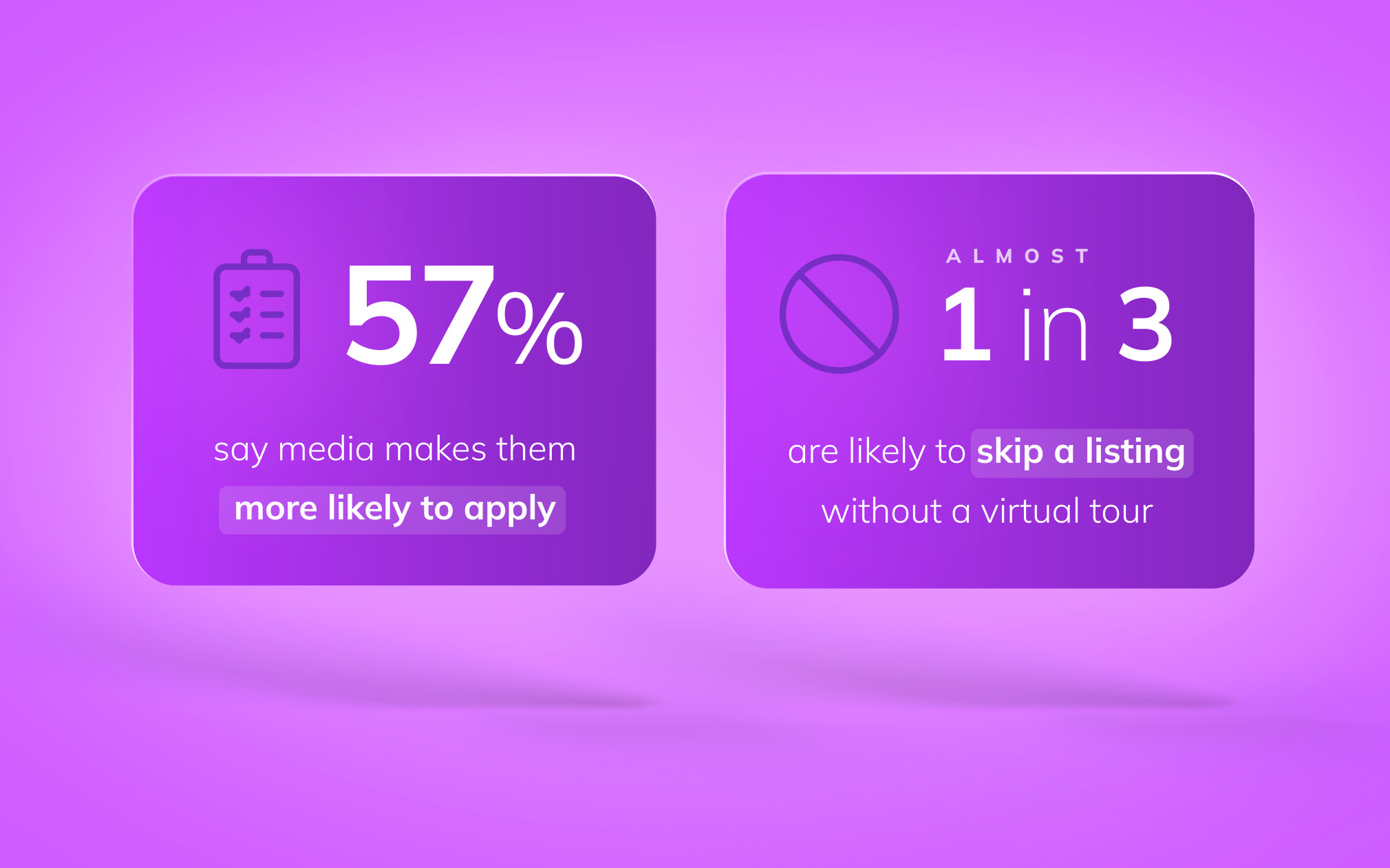
New survey data from 11,320 renters reveals how media shapes the leasing decision — and what your listings need to show.

We’re living through the biggest shift in search marketing since the search engine was born. To help you make sense of it, Catriona Orosco, senior director at REACH by RentCafe, sat down with Robert Gibbs, head of agency at Google, to talk through what’s actually changing in search and paid search.
Categories
Similar articles
Google search advertising for multifamily: What’s next, straight from Google
We’re living through the biggest shift in search marketing since the search engine was born. To help you make sense of it, Catriona Orosco, senior director at REACH by RentCafe, sat down with Robert Gibbs, head of agency at Google, to talk through what’s actually changing in search and paid search.

Cookie consent for apartment websites: What marketers need to know
Get a better understanding of cookie consent for apartment websites. Find out what you need to know about your options, state laws and how they impact your analytics.

Search strategy survival kit: SEO & PPC tips for the AI search era
Rental search has changed. Here’s how you should update your SEO and PPC strategies to stay visible in the AI era.