
What an AI visual audit reveals about your community (& what to fix first)
Nov 18, 2026

Key takeaways
- An AI visual audit checks to see how clearly AI search tools — ChatGPT, Gemini and Perplexity — understand your community from its visual signals.
- A strong foundation comes down to three things: professional photography, broad amenity coverage and interactive experiences.
- The biggest opportunity is closing the experience gap by showing what it feels like to live there, not just what the community has.
- Most fixes don’t require a new budget or a fresh shoot. You can reorganize and repurpose media you already have.
- Start by sorting your existing photos and video into clear categories, then build a repeatable, seasonal content plan.
This importance of visual media
Renters want confidence. Before they tour or sign a lease sight unseen, they want to picture the community, the home and the life they’d have there.
Media is how you give them that picture. And a visual media audit is how you find out whether your photos, videos and other visual assets are doing the job.
And the payoff is real. A RentCafe.com survey of 11,320 renters in early 2026 found that seeing the actual unit matters to 88% of them. Renters are 10 times more likely to prefer a listing with a unit-level tour, and a tour lifts confidence in leasing sight unseen by 47%.
This isn’t about volume. The real question is whether your visuals tell renters — and the AI tools they use to search for rentals — what it’s like to live in your community. These systems read your visual signals: the photos, videos, tours and the context around them.
Here’s what’s in it for your team. Strengthening your visual signals doesn’t mean asking for new budget or starting from scratch. It means getting more out of the photos, videos and tours you already have. Do that, and your community surfaces in AI search, earns more qualified interest and leases faster.
A recent audit of Discovery at Craig Ranch, a Nolan Living community in McKinney, Texas, gives an example of how this can work for you. Nolan Living’s director, Tiffany Walsh, worked with Izzy Carunungan and our team to run an AI visual audit on the community. Here’s what it found, why it matters and what they changed.
Watch the video or keep reading below
What an AI visual audit checks
An AI visual audit looks at your community the way an AI search tool would. For Discovery at Craig Ranch, that meant running it through three lenses — ChatGPT, Gemini and Perplexity — to answer one focused question: Based on the visual signals online, what can these systems clearly understand about the property?
The point isn’t to hand marketing judgment off to AI. It’s to find where your visual story is incomplete — and the clearest findings are the ones all three tools agree on.
The value is in the patterns. When all three systems recognize the same strength, or flag the same gap, that gives us a useful place to investigate. — Izzy Carunungan, REACH
What the audit found
Discovery scored a B, which is a strong starting grade. The property, interiors, floor plans and amenities were all well represented.
The gap was on the side of the resident experience. The systems could see what the community has but had less evidence of what it feels like to live there.
A polished pool photo confirms the pool exists. A real moment at the pool shows the lifestyle. Getting from a B to an A is mostly about closing that experience gap.
3 signals worth getting right first
Before the tweaks, it helps to see what a strong foundation looks like. Three things were already working for Discovery: professional photos, amenity images and interactive experiences. These are the base everything else builds on.
1. Professional photography
Over the last year or so, Discovery invested in consistent, professional imagery. They previously had a mix of photos from different seasons and photographers, even from before they owned the community.
All three AI engines noted the presence of quality photos in the visual audit. That consistency of Discovery’s professional photo coverage helps search engines and renters build clarity and confidence around the property.
2. Strong amenity coverage
Discovery captured its amenities on camera, down to the details renters look for:
- Resort-style pool and fitness center
- Clubhouse, walking paths and green spaces
- Pet features and a car care center
Each amenity you can show is another piece of evidence. When a renter asks for a pet-friendly community with a resort-style pool, do you have visual evidence that will allow your property to surface as an answer?
3. Interactive tours & floor plans
Discovery captures a virtual tour of every unit as it turns. Unit-level virtual tours paired with interactive property maps and floor plan visualizations help renters self-qualify before they get to your leasing office.
Renters can walk the exact unit they want, see where it sits on the property and loop in other decision-makers before they visit. Tiffany’s team watched the time from prospect to lease shrink as a result.
5 tweaks that take you from good to great
But what does it take to get an A in a visual audit? Well, a few simple things can make your media stand out. And here’s the best part. Most of the content AI is looking for already exists somewhere, and the work is organizing it and filling a few gaps. It’s possible that the content is sitting on social, waiting to move to the website, or the other way around.
1. Organize what you already have
A single giant gallery is hard to scan for renters and AI alike. When every image type lives in one pile, the purpose of each photo gets fuzzy. Discovery’s team sorted their photos into four categories, so each one answers a different renter question:
- Apartments: What will my home look like?
- Community: What’s the property like?
- Amenities: What can I do here?
- Neighborhood: What is nearby?
They also folded video into the galleries, so visitors can toggle between photos and video.
2. Keep it fresh
A static image library with no seasonal updates signals that a community might not be active today. Freshness doesn’t mean replacing every photo every month. It means a steady rhythm of updates, so your visual story reflects what’s happening now.
Discovery built a quarterly content plan and leaned on authentic, in-the-moment photos and video — team members out in the community, local businesses, seasonal moments — alongside the polished professional work.
3. Add short-form video
One beautiful overview video establishes quality. Short-form video answers the everyday questions renters ask: What does the walk from the kitchen to the bedroom feel like? How big is the fitness center? Who will I meet in the leasing office?
Video is a strong signal because it combines place, movement, people and context in one format.
Much of this may already live on your social channels, waiting for a home on your site. Here are a few easy short-form video prompts that work for most communities:
- Amenity walkthroughs and neighborhood tours
- Resident testimonials
- Staff introductions
- Reels and TikToks
4. Tell the neighborhood story
Your site lists your address and mentions nearby dining and shopping. But can a renter see it? The audit found Discovery’s location was referenced, not shown.
The fix was low-hanging fruit: With guidance from our team, Discovery grabbed photos from nearby public spaces and added them to the neighborhood page. Neighborhood photos and videos give renters and AI a visual link between the community and what makes its location worth choosing.
5. Strengthen your social signals
Social media is another place AI looks for visual evidence, and the common mistake is content that leans heavily promotional instead of authentic. The goal for apartment communities isn’t to post more … it’s to create a more active mix that shows real life at the community.
Discovery started by making more social content featuring renters. They encourage posts that feature:
- Pets
- Apartment decor
- Balcony setups
- Community events
Where to start
AI visibility is built from signals. Strong photography and interactive tours create the foundation. Build on those with context and authenticity, and you complete the story.
So where do you begin? Not with a new shoot or a big budget. Start with what’s already in your shared folders and on your social feeds.
The easiest thing to do is just start with reorganizing what you have. That’s going to help you fill in the gaps. — Tiffany Walsh, Nolan Living
From there you need to figure out how to repeat it season after season. Tackle the signals one by one and bring your on-site teams along — they’re invested in your communities too.
One last thing worth remembering: Visual media should be fun. Sharing what’s happening at your community is work that site teams enjoy, and your residents want to see it as much as the AI engines do.
Have questions about how the before-and-after came together? Tiffany Walsh is happy to connect with you via LinkedIn or email. We’re here to help too, but we understand that sometimes it’s good to hear from someone who’s been in your shoes. Happy marketing!

Recent posts

Our renter advocate Sam Skrobot digs into the latest Gen Z renter data, from the content that earns their trust to the kind of AI they’ll actually use. Here’s what it means for the way you market your properties.

The most dangerous marketing metric? It’s the one you look at alone. See three examples of multifamily metrics that tell a misleading story.
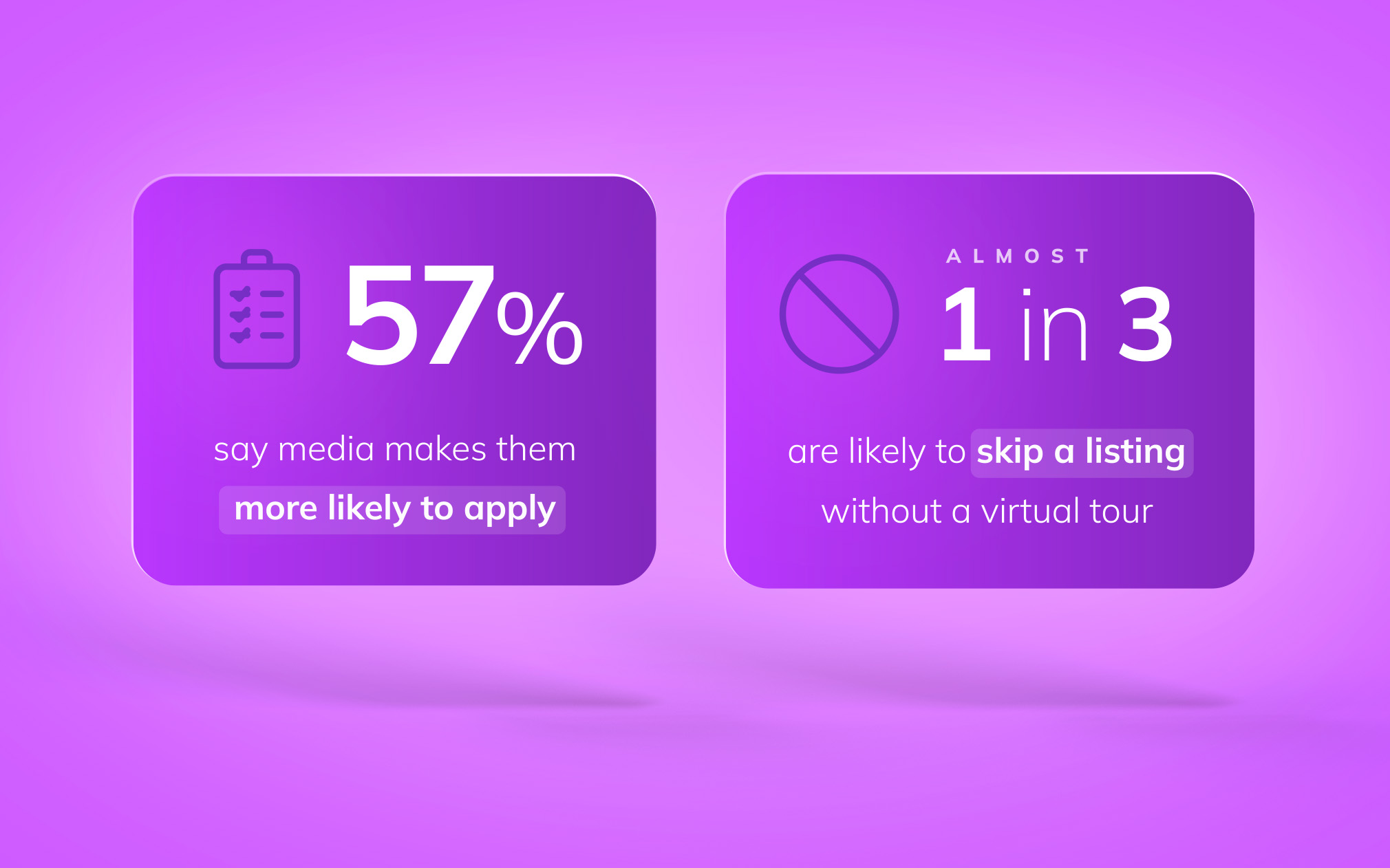
New survey data from 11,320 renters reveals how media shapes the leasing decision — and what your listings need to show.
Categories
Similar articles
Renter media preferences: What 11,000+ renters told us
New survey data from 11,320 renters reveals how media shapes the leasing decision — and what your listings need to show.

Google search advertising for multifamily: What’s next, straight from Google
We’re living through the biggest shift in search marketing since the search engine was born. To help you make sense of it, Catriona Orosco, senior director at REACH by RentCafe, sat down with Robert Gibbs, head of agency at Google, to talk through what’s actually changing in search and paid search.

Search strategy survival kit: SEO & PPC tips for the AI search era
Rental search has changed. Here’s how you should update your SEO and PPC strategies to stay visible in the AI era.