
AI search for apartments: Get expert updates, data & strategies
Mar 26, 2026

Are you familiar with the rapidly evolving search landscape? Today’s renters are using AI engines to find apartments, and marketers like you are expected to keep up.
But if you ask us, it’s a lot! Understanding AI search for apartments (and how to prep your marketing for it) isn’t a walk in the park.
That’s where we come in. We recently got two brilliant experts together — Kyle Jones, agency manager at REACH and Brooke Henderson, VP of strategic partnerships at YEXT — to give a timely AI search briefing. They covered everything you need to know, including search fragmentation, AI algorithms, ranking shifts, renter trends, SEO updates and future opportunities.
If that sounds like your jam, keep reading. You’ll see how AI search works, plus you’ll get four content strategies for showing up in AI-powered search results.
You can also watch the video recap below.
Understanding search fragmentation
The renter journey is more fragmented than ever. Today’s renters now search for apartments in multiple places, including across AI platforms like ChatGPT and Gemini.
We’re calling this the AI era of search, and it’s prompted lots of questions from apartment marketers. How do AI engines gather information? And how can I make sure my brand shows up in AI-powered search results?
These are valid and important questions. Luckily, there are answers! We’re focused on helping you understand the evolving, fragmented renter search journey and what to do in response.
You can learn more about search fragmentation in our search trends article, but here’s a quick summary:
- AI engines are changing how renters find and lease apartments
- Search and AI adoption is fragmenting at an unprecedented rate
- AI is shaping renter perceptions before a click even happens
- Renters may never visit your website before making their shortlist of properties to check out
Which sources does AI cite most often?
AI search is here, but where do AI engines actually pull information? Is it your website, Google Business Profile or a mix of sources?
Our friends at YEXT conducted a case study to find out. To get a thorough analysis, study organizers asked 13 million questions and analyzed 17.2 million citations across four different AI models: ChatGPT, Perplexity, Gemini and Claude.
Subjective and objective questions were asked from the consumer perspective, and they were divided into branded and unbranded categories.
In other words: YEXT included questions about specific brands (e.g., What options does X brand offer?) as well as broader questions (e.g., I’m in this location, what are the top businesses nearby?).
The findings revealed that 86% of AI citations come from brand-managed sources:
- 44% were websites
- 42% were listing directories
- 8% were reviews and social
- 6% were news and forums
YEXT also found that the question determines the source. For branded objective questions, listing directories were cited most often, whereas unbranded objective questions produced more website citations. For branded subjective questions, reviews were more likely to be cited, and unbranded subjective questions cited more websites.
What this means for apartment marketers
So, what does this case study data tell us? A lot, including the fact that marketers have some control over AI citations. The sources you manage, like your website, are the ones AI cites the most.
That said, different questions produce different sources, and each AI platform analyzes content in its own way. That means you need a holistic marketing strategy that spans your entire digital presence.
Put differently: Don’t just focus on your website. Strong, consistent marketing across your Google Business Profile, social media and other channels is important too.
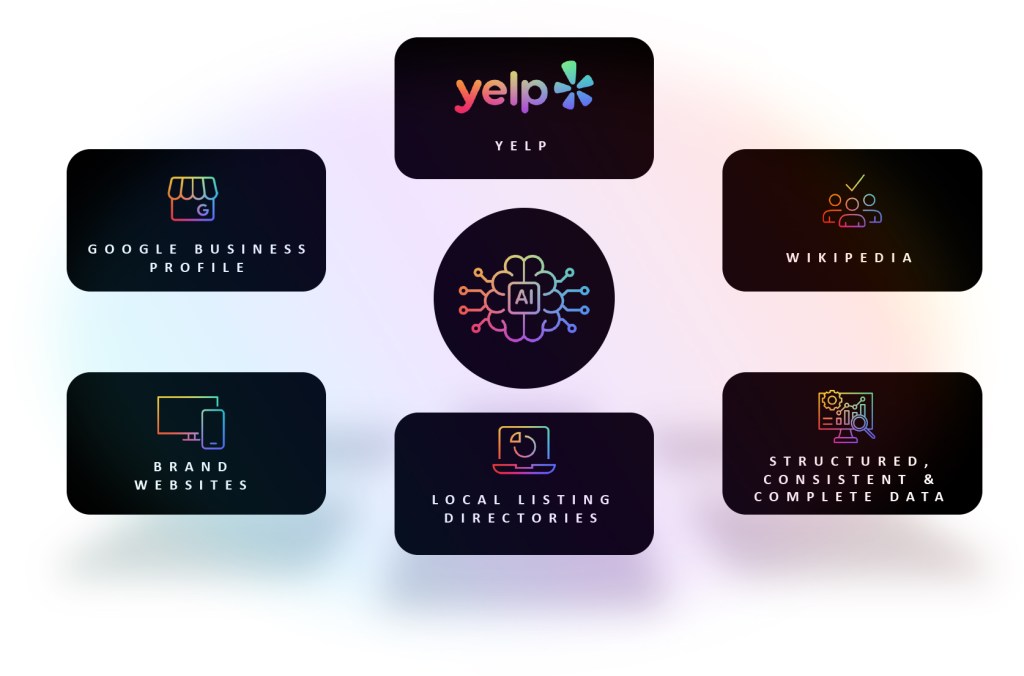
One more thing: Be sure to think about both signals and citations. While some websites are cited in AI-powered search results, there are many more that drive signals.
Citations tell you where to find the information. Signals, on the other hand, tell AI engines if they should recommend that information in the first place. Think of the signal as the logic and the citation as the receipt.
Reviews and social posts drive important signals too … and sometimes they can become citations. But what are the citations saying about your brand? Focus on your reputation management strategy and ways to control the narrative.
4 ways to optimize your content
We know a holistic strategy is important in the AI era of search. But what does that strategy look like in practice? Let’s get into four content strategies straight from search experts.
1. Add structured data to your website
Also known as schema markup, structured data is backend coding that tells search and generative engines what exists on a given page. This contextualized data helps AI engines see if your content is relevant, authoritative, trustworthy and worth citing.
2. Prioritize strong page narratives
Page narratives tell your website’s story. More specifically, it’s the copy and content on each page of your website. Just like with structured data, having specific, clear page narratives helps AI engines interpret context, relevance and authority.
3. Create content for every query
AI engines look for diversified content across multiple platforms. This includes short-form content (like FAQ pages), medium-form content (like page narratives) and long-form content (like neighborhood pages).
Bonus tip: Think about creating conversational FAQs. AI engines favor conversational text that mimics how people talk and search.
4. Focus on reviews & social media
AI is smart, but it can’t physically walk through an apartment building. To get real, authoritative information for search results, AI algorithms rely on user-generated content from social media and review channels. This content offers trust, experience and credibility that other content can’t.
Learn more in these related articles:
4 fresh optimization strategies for your multifamily Google Business Profile
Social media indexing: Meta’s latest update & 3 things marketers can do now
Watch the AI search briefing
You can do it
We get it. Navigating AI search can be daunting, overwhelming and even confusing. But you’re smart marketers … we know you can do it.
Also, we’re here to help. If you have follow-up questions about AI search for apartments or anything else related to apartment marketing, be sure to reach out. We also have a free AI-readiness guide and checklist you might appreciate, plus an article that explains how REACH 360 (a unified marketing solution for the AI era) can make your AI search journey easier.
Remember: You have some control in the AI search era. Keep calm, get focused and use the information above to shape your strategy.

Recent posts
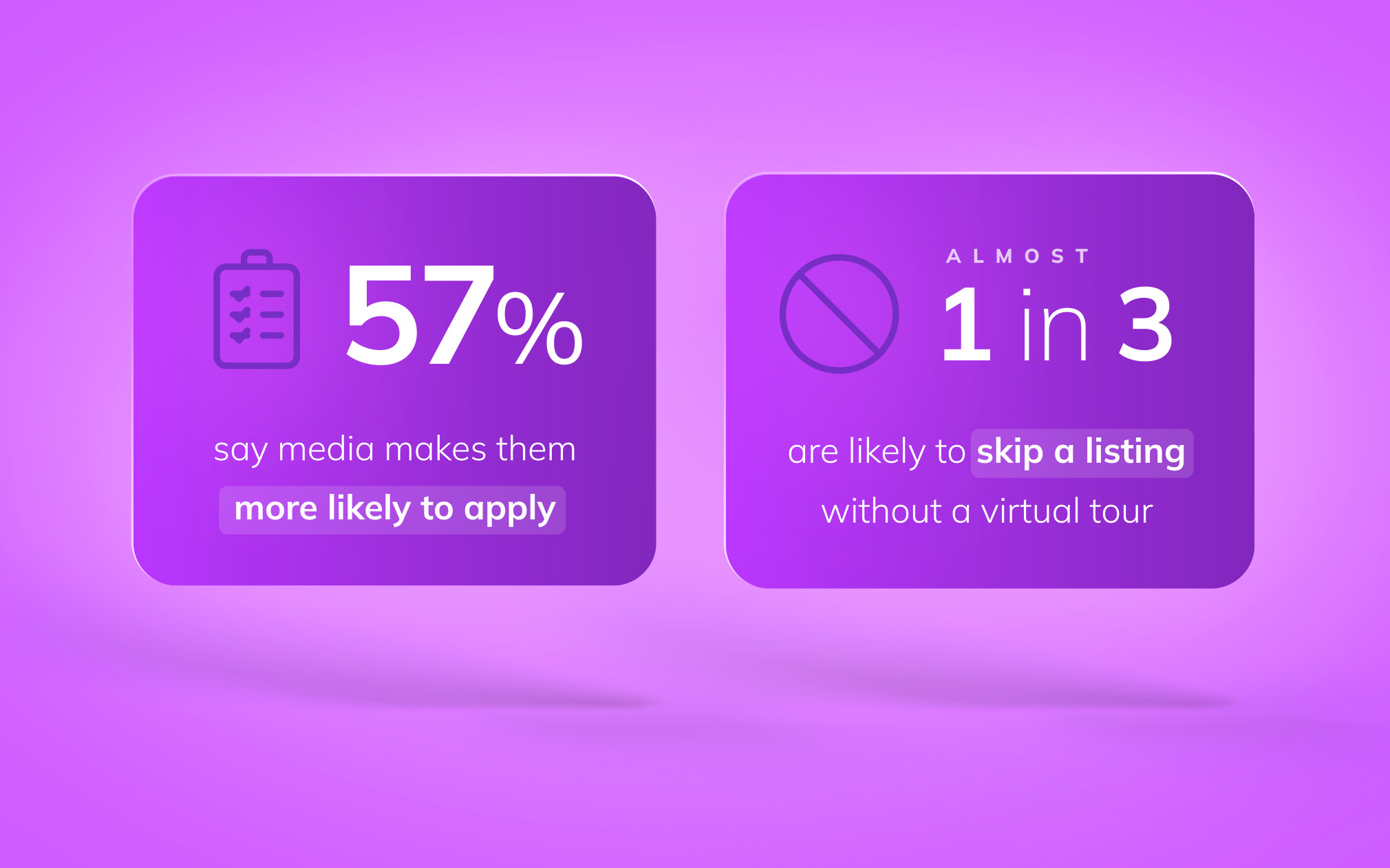
New survey data from 11,320 renters reveals how media shapes the leasing decision — and what your listings need to show.
We’re living through the biggest shift in search marketing since the search engine was born. To help you make sense of it, Catriona Orosco, senior director at REACH by RentCafe, sat down with Robert Gibbs, head of agency at Google, to talk through what’s actually changing in search and paid search.

Get a better understanding of cookie consent for apartment websites. Find out what you need to know about your options, state laws and how they impact your analytics.
Categories
Similar articles
Google search advertising for multifamily: What’s next, straight from Google
We’re living through the biggest shift in search marketing since the search engine was born. To help you make sense of it, Catriona Orosco, senior director at REACH by RentCafe, sat down with Robert Gibbs, head of agency at Google, to talk through what’s actually changing in search and paid search.
Cookie consent for apartment websites: What marketers need to know
Get a better understanding of cookie consent for apartment websites. Find out what you need to know about your options, state laws and how they impact your analytics.

Search strategy survival kit: SEO & PPC tips for the AI search era
Rental search has changed. Here’s how you should update your SEO and PPC strategies to stay visible in the AI era.